 open-ship
Naval simulation · in development
A naval simulator where every sailor has a job.
open-ship models a warship and the men who run her. Every man aboard has a name, a past, and skills of his own. The first ship is HMS Violet, a Flower-class corvette that escorted convoys in the Battle of the Atlantic.
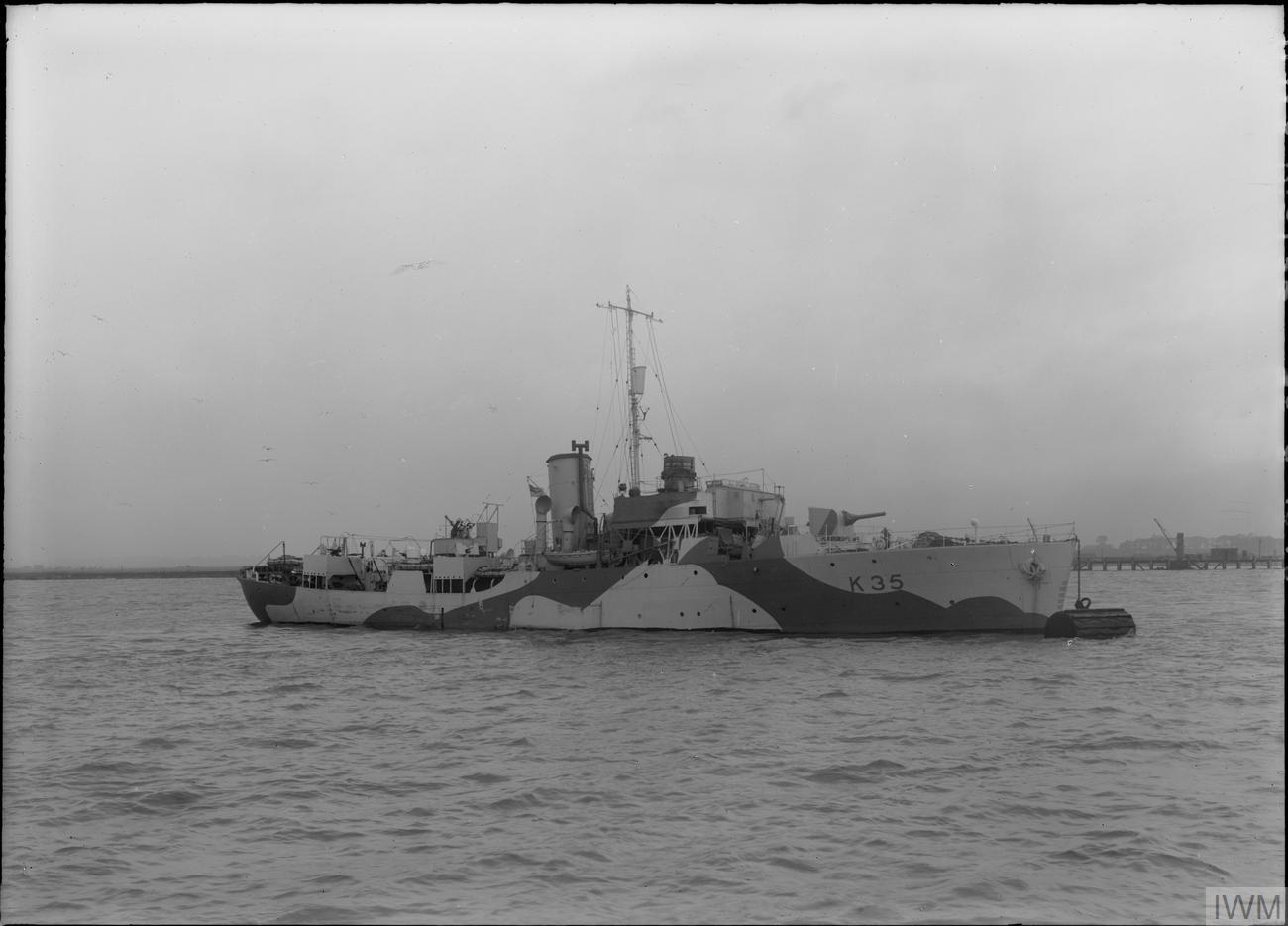
The crew are not scenery.
Most naval games are about guns and graphics. Their ships carry hundreds of sailors with nothing to do. They are there to be killed.
In open-ship, the crew run the ship. The helmsman steers, the lookouts scan the sea, the engine room answers the telegraph, the cook feeds the messes, and the watch below sleeps. In time, everything that keeps a ship's company busy will be simulated, from manning the guns to swabbing the deck.
You command as the captain. You can also take the place of anyone aboard.
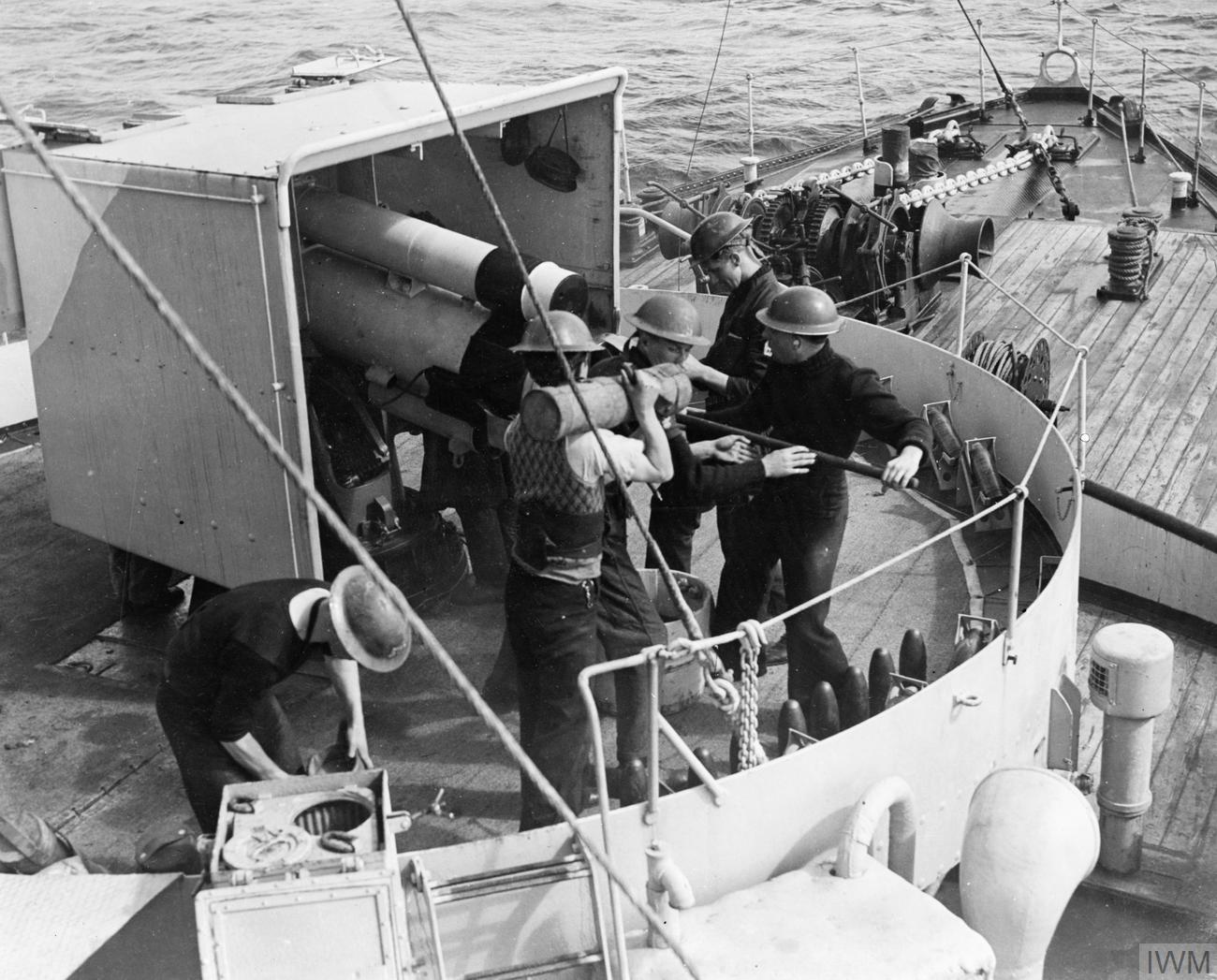
Every sailor
Each man has a name, a rate, a post, and skills. He keeps watches, eats, and sleeps. He tires, gets cold and wet, feels fear, and learns from drill.
Every machine
The boilers, engine, shaft, propeller, pumps, and rudder are modelled physically. Each has a watch standing by it.
Every compartment
The ship is a network of spaces joined by doors and hatches. Water enters through a hole and spreads. The crew stop it and pump it out. Meanwhile, the extra weight changes how she floats.
Orders and reports
Orders go by voice pipe, telegraph, and messenger, and are repeated back. The captain knows only what he is told. Reports arrive late, and some are wrong.
The simulation today
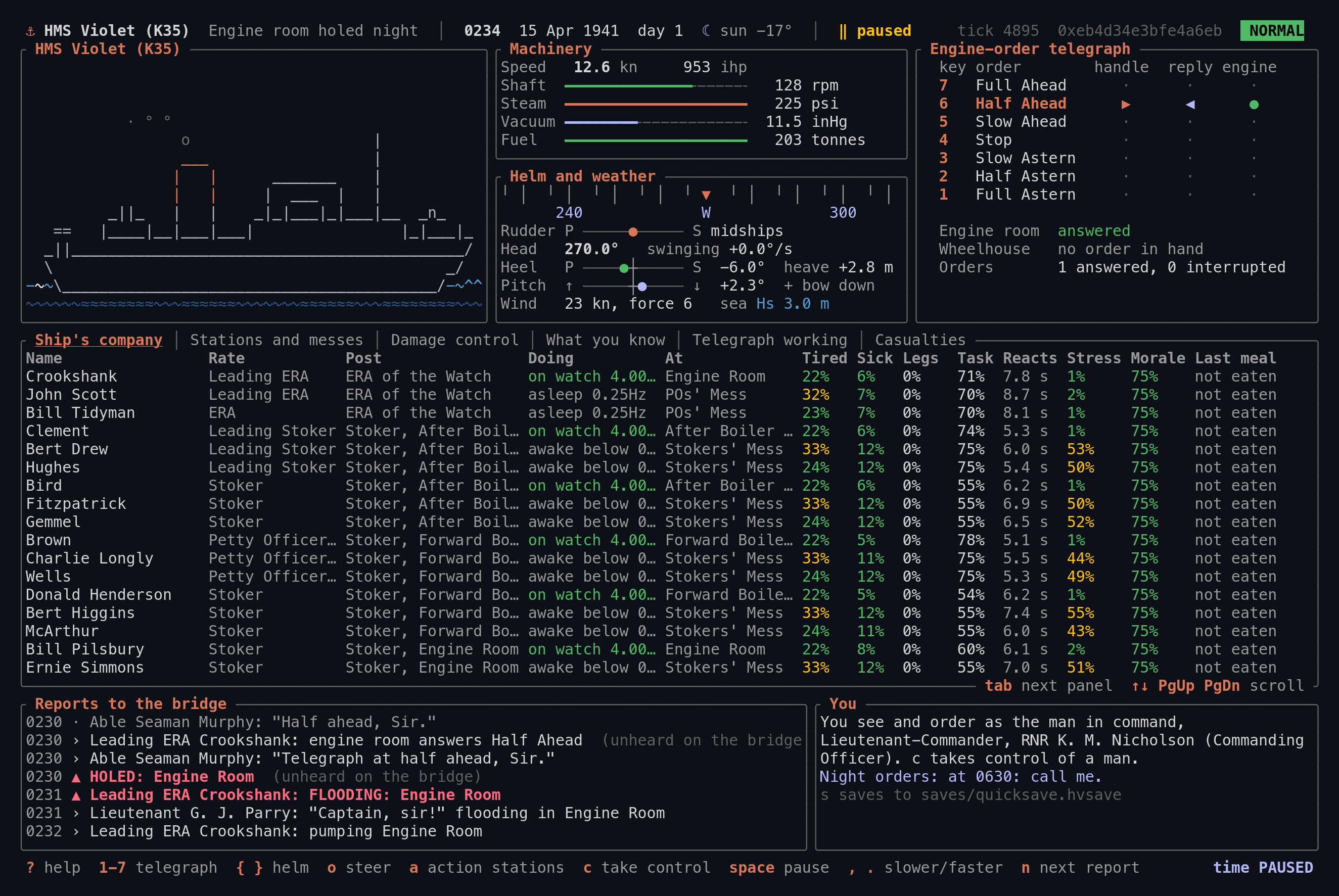
The simulation already runs, with a text dashboard for now. In this scene it is the middle watch, and the ship has been holed in the engine room at twelve knots.
The engine-room watch reports the leak. The officer of the watch calls the captain and sends the repair party. The pumps start to gain on the water.
Working now
- Hull motion in wind and waves, calibrated against sea-trial data
- Steam propulsion, from boiler to propeller
- Turning and manoeuvring that match the Flowers' trials
- A full ship's company with watches, sleep, meals, fatigue, skills, and stress
- Orders by voice pipe and engine-room telegraph, repeated back and reported
- Standing orders and night orders for the officer of the watch
- Flooding, watertight doors, damage control, and pumping
- Cold, wet, and seasickness
- Injury, first aid, triage, and the sick list
- Weather that changes over hours
- Command as the captain, or as any member of the crew
- Deterministic replays and saves
Built from the sources
Every number in open-ship comes from a source or is marked as an assumption. The sources include builders' plans, sea trials, wartime instructions, drill books, and the memoirs of men who served. The ship's handling is calibrated against her class's trials.
The Flower-class corvette comes first because she is small and simple. She has one shaft, two boilers, and a crew of fewer than ninety.
One ship first, then the fleet
- 1HMS Violet (K35)in development Flower-class corvette, Royal Navy, 1941
- 2HMS Arabis (K73) A sister ship, with her own fittings and history
- 3USS Saucy Arabis again, lent to the US Navy in 1942. The same hull under a second navy
- 4Other Flower-class corvettes More ships of the class, with their refits and their navies
- 5HMS Wanderer (D74) A V&W-class destroyer, with two shafts, turbines, and a larger crew
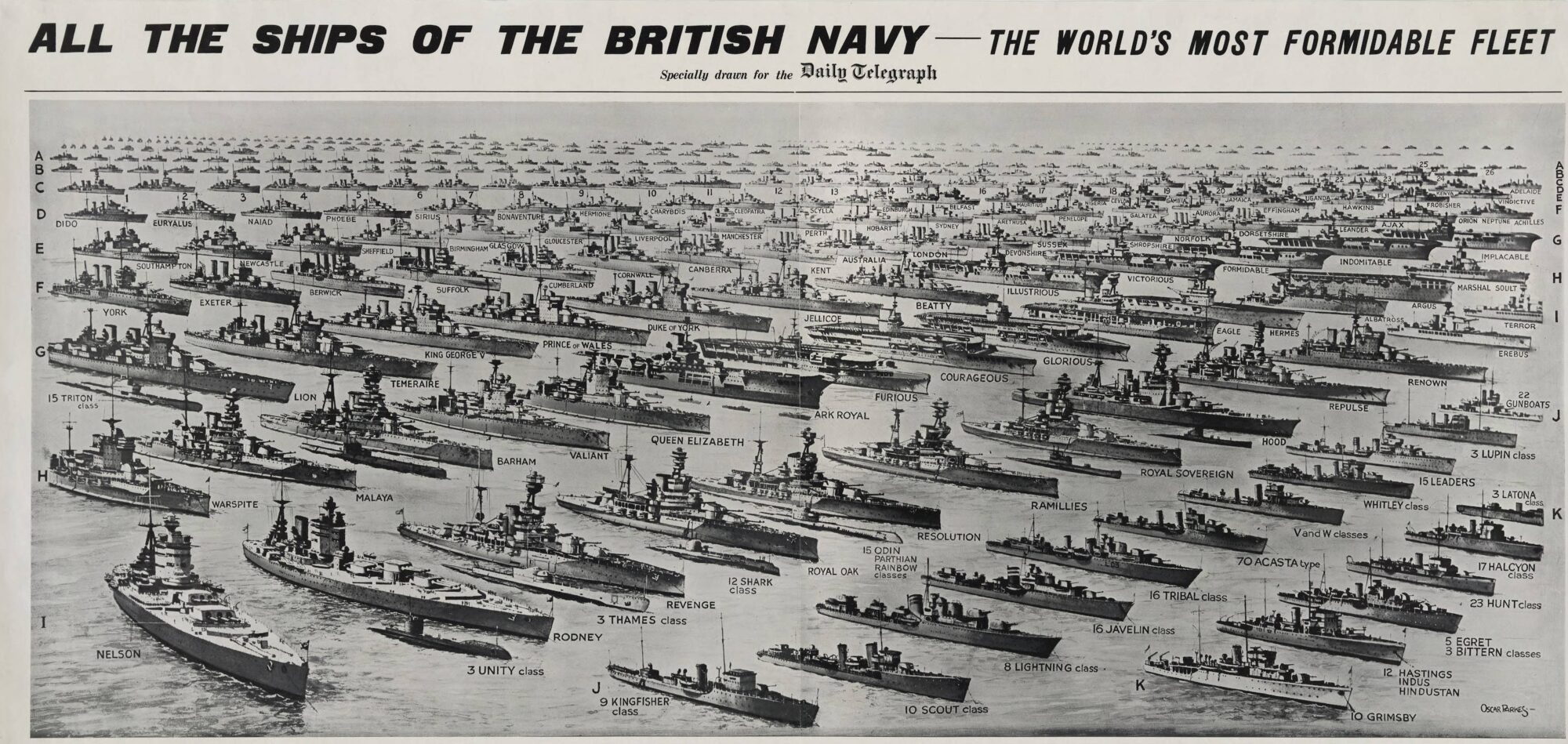
- …The Battle of the Atlantic, then beyond Other small warships of the Atlantic, then warships in general, and then ships of every kind
In open-ship, ships are data. The code models boilers, engines, compartments, and men. Each class, ship, and navy is assembled from those parts.
Violet will remain the only ship until the 3D client is ready. The others follow in the order shown.
Support open-ship
open-ship is an independent project with one developer. It is funded by its supporters, and donations go straight into development.
Support on Ko-fi